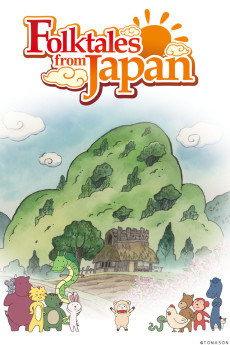
Furusato Saisei: Nippon no Mukashi Banashi
Studios
Staff
Characters

Where to watch
Tags
Episodes (250)
1 / 11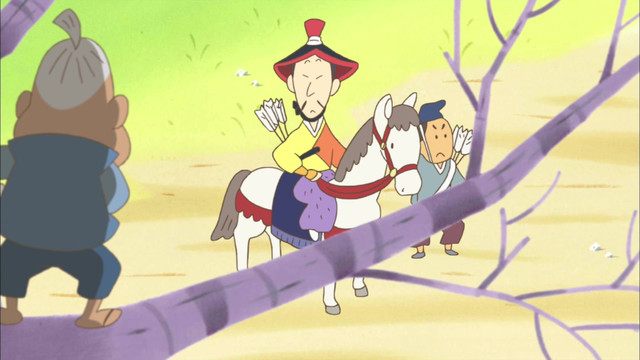 EP 1
EP 1A dog rewards a kind master, an old woman's gift is repaid, and a man buys a dream
Apr 1, 2012This episode presents three distinct narrative segments. In the first story, a dog demonstrates loyalty by rewarding a master who treated it with kindness. The second segment focuses on an old woman whose generous gift is eventually repaid by the recipient. The final story follows a man who purchases a dream, exploring the transaction and its implications. These separate tales are woven together to form the complete episode content, highlighting themes of reciprocity and the value of intangible assets within the series' broader context.
 EP 2
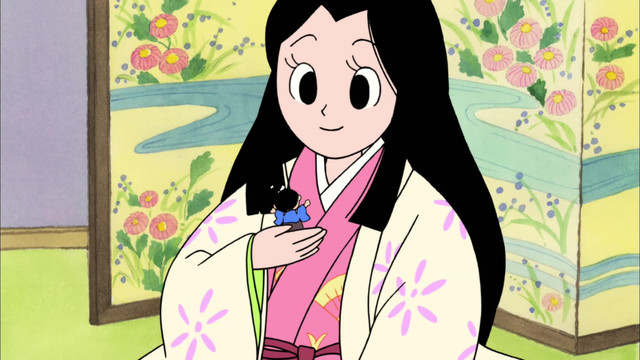
EP 2A small child displays bravery, an old man repays a gift, and a lazy man acquires a cow.
Apr 8, 2012This episode presents three distinct narratives. First, a young child demonstrates significant courage despite their small stature. Second, an elderly man receives an accidental gift and ensures it is properly repaid. Third, a lazy individual ends up acquiring a cow. These stories highlight themes of bravery, gratitude, and the consequences of idleness. The source material identifies these segments as Little One Inch, The Rolling Rice Ball, and The Cow's Marriage. The summary provided by Wikipedia condenses these events into a brief overview of the characters' actions and outcomes. No additional plot details or character developments are included in this factual description.
 EP 3
EP 3An old man dances for demons, a fox is tricked, and a love potion backfires
Apr 15, 2012This episode features three distinct segments. In the first, an elderly man performs a dance routine for a group of demons despite having a prominent bump on his head. The second story involves a fox character who falls victim to a deceptive trick. The final segment centers on a love potion that produces disastrous and unintended consequences when it backfires. These separate narratives are presented sequentially within the episode.
 EP 4
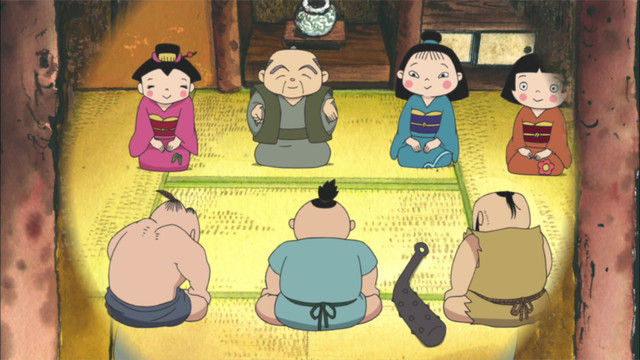
EP 4Strong Tarou, The Village of the Nightingales, and Hirabayashi Tales
Apr 22, 2012This collection features three distinct narratives. The first involves a couple who fashion a child from dirt. The second story centers on a woodcutter who fails to keep a promise. The final tale explains the meaning behind the phrase "Hirarin, Heirin, Tairarin, Tairabayashi and Ippachijuu no Mokumoku, and Hitotsutoyattsudetokkikki." These segments present varied folklore elements without connecting plotlines, focusing on individual moral or mythical lessons. The compilation serves as an anthology of separate stories, highlighting different themes and characters within the broader context of the series' storytelling tradition.
 EP 5
EP 5Urashima Tarou, The Monkey Buddha, and Comparing Treasures episodes feature distinct moral tales.
Apr 29, 2012This collection presents three separate narratives involving different protagonists and lessons. In the first segment, a fisherman receives a gift that ultimately becomes a curse. The second story depicts monkeys worshipping a Buddha while managing to stay dry. The final tale follows a merchant who discovers the true value of life through his experiences. These stories are presented as distinct episodes within the series, each offering a unique perspective on consequences and priorities without connecting plotlines between them.
 EP 6
EP 6Kintarou, The Two Squid, and The Three Cry episodes
May 6, 2012This segment presents the narrative concerning Sakata no Kintoki, detailing his experiences and growth. It also explores a storyline where a lord discovers information that exceeds his initial expectations or understanding. Additionally, the content addresses themes of emotional release, suggesting that crying is sometimes a necessary step for moving forward or progressing in life. The summary reflects these distinct thematic elements without adding external context or interpretation beyond the provided source material.
 EP 7
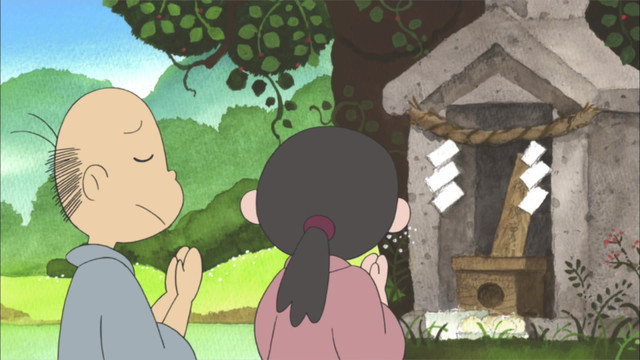
EP 7A fisherman finds contentment, a couple welcomes an unusual child, and two liars encounter each other.
May 13, 2012This episode presents three distinct narratives. In the first story, a fisherman undergoes a personal transformation as he learns to value his current circumstances and appreciate what he possesses. The second tale follows a couple who are blessed with the birth of a child that is described as unusual, marking a significant event in their lives. The final segment focuses on a boy known for lying who encounters a girl with the same trait, leading to an interaction between the two deceptive individuals. These separate vignettes explore themes of gratitude, family, and honesty through different character arcs.
 EP 8
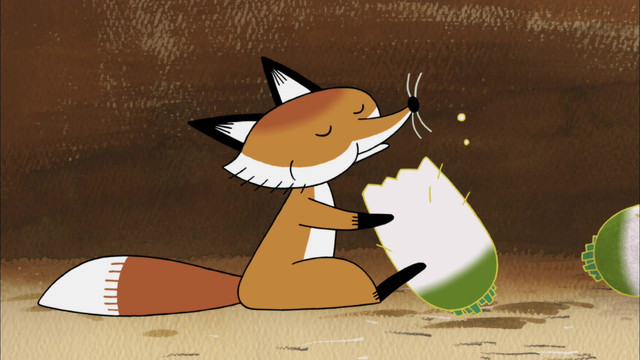
EP 8A demon makes a deal with a carpenter while a fox learns about honesty versus obedience
May 20, 2012In this episode, a demon forces a carpenter into an unwanted agreement. Meanwhile, a fox discovers the concept of karma and must decide whether honesty or obedience is more important. Additionally, a priest and a child are depicted crossing a river. These separate vignettes explore themes of moral choice and consequence through the interactions of various characters facing difficult situations.
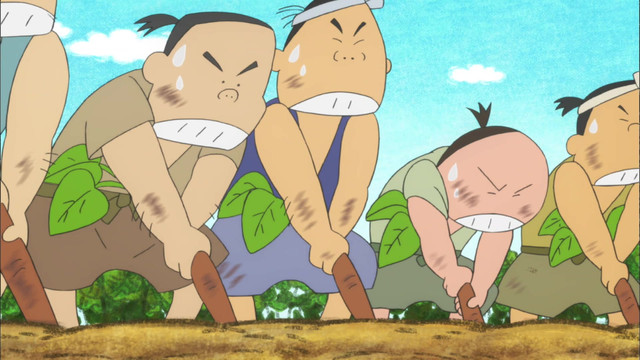 EP 9
EP 9Shippei-Tarou, the Son Who Ascended to Heaven, and the Question of Laziness
May 27, 2012A priest intervenes to prevent a town from sacrificing an additional daughter. The narrative explores themes of labor and indolence through contrasting character arcs. One man, characterized by his laziness, undergoes a transformation and learns the value of hard work. In contrast, another individual, who is even lazier than the first, fails to change and learns nothing from the experience. The story juxtaposes these outcomes to highlight the differing consequences of work ethic and apathy within the community.
 EP 10
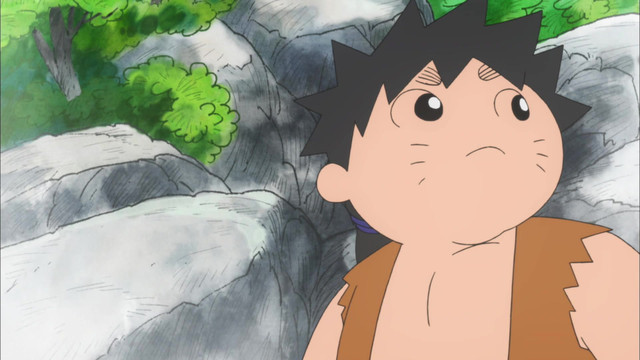
EP 10The useless hero saves the day while the liar triumphs and names prove vital
Jun 3, 2012This episode highlights the unexpected contributions of an individual deemed good for nothing, who ultimately saves the day. Simultaneously, a character known for lying secures the final victory, demonstrating that deceit can sometimes yield the best outcomes. The narrative further explores the significance of names, suggesting they hold deeper meaning or power within the story's context. These events converge to present a complex view of morality and success, where traditional expectations are subverted by the actions of unlikely heroes and villains alike.
 EP 11
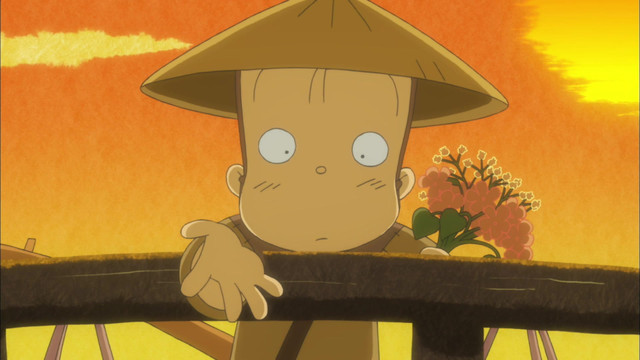
EP 11A man learns to look beyond the surface of a person, a flower seller forgets to keep his promise, and everything is sacred.
Jun 10, 2012This episode features three distinct stories. In the first, a man learns to look beyond the surface of a person. In the second, a flower seller forgets to keep his promise. The final story explores the idea that everything is sacred. These narratives are presented without additional context or character names in the source material. The summary provided by Wikipedia highlights these thematic elements. No specific episode numbers, ages, or dates are mentioned in the source text. The focus remains on the moral lessons and character interactions described. The title references specific segments but the synopsis offers a general overview of the themes. The content is factual and derived solely from the provided source.
 EP 12
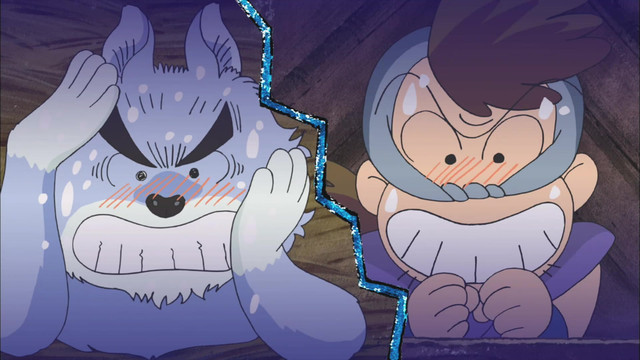
EP 12A thief, a wolf, and the Furuya Flora threaten children and a painter in the dark.
Jun 17, 2012The narrative highlights various dangers, noting that while a thief and a wolf are frightening, the Furuya Flora is considered the most terrifying threat. Within this setting, two children engage in a conflict against a witch. Simultaneously, a painter undergoes an experience that results in him learning a significant lesson. The story also references a traveler's horse and includes imagery of a crow appearing in the dark of night, contributing to the ominous atmosphere surrounding these events.
 EP 13
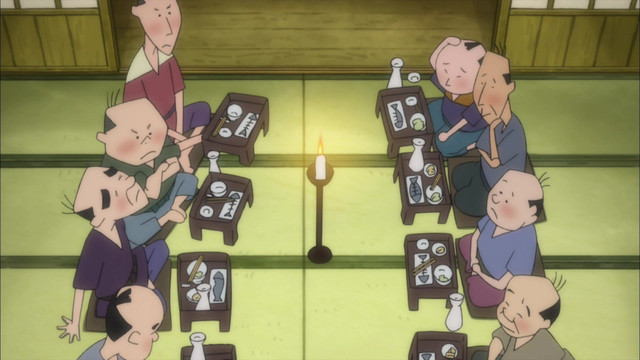
EP 13A raccoon repays a debt, a fox plans ahead, and a careless man learns to slow down
Jun 24, 2012This episode presents three distinct moral tales featuring supernatural animals and humans. In the first story, a raccoon dog fulfills a debt it owes, ultimately learning a valuable lesson through its actions. The second narrative focuses on a fox that demonstrates strategic thinking by planning five steps ahead to achieve its goals. The final segment follows Mr. Careless, a character who must realize the importance of slowing down and being more mindful in his daily life. Each tale offers a separate perspective on responsibility, foresight, and caution without connecting the characters or events across the different segments.
 EP 14
EP 14Orihime and Hikoboshi, The Old Woman's Skin, and Potato Rolling episodes explore festival origins and manners.
Jul 1, 2012This segment narrates the origin story of the Tanabata festival. It also features a plot where a snake causes a calamity. Additionally, the narrative emphasizes the importance of proper manners. These three distinct storylines are presented together in this collection. The content focuses on cultural background and behavioral lessons without adding extra details. The summary remains strictly factual based on the provided source information.
 EP 15
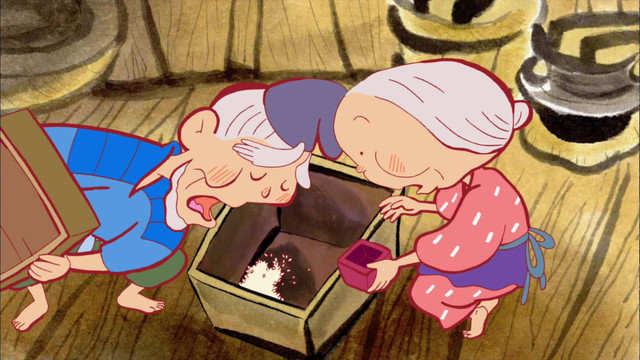
EP 15A greedy man loses his reward, a rat is sponsored, and children outwit a priest
Jul 8, 2012This episode presents three distinct stories. In the first, a man receives an accidental gift and attempts to repay the giver, but his growing greed ultimately causes him to lose everything. The second segment follows an elderly couple who take on the sponsorship of a rat. In the final story, two children manage to trick a cunning priest through their wits. The narrative highlights themes of morality and consequences across these separate vignettes.
 EP 16
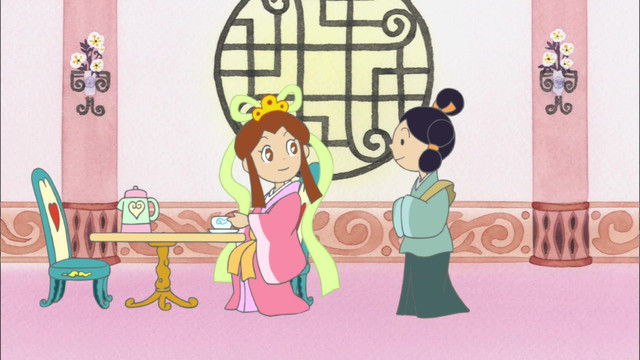
EP 16An unlucky man travels west while a luck god faces injustice and Japan challenges China in a strength contest
Jul 15, 2012This episode features three distinct segments involving an unlucky man who journeys westward, a deity associated with luck who suffers from a poor reputation, and a physical competition where Japan challenges China in a strong man contest. The narrative weaves together these separate storylines, highlighting the misfortune of the traveler, the unjust treatment of the divine figure, and the international rivalry displayed through the athletic challenge between the two nations.
 EP 17
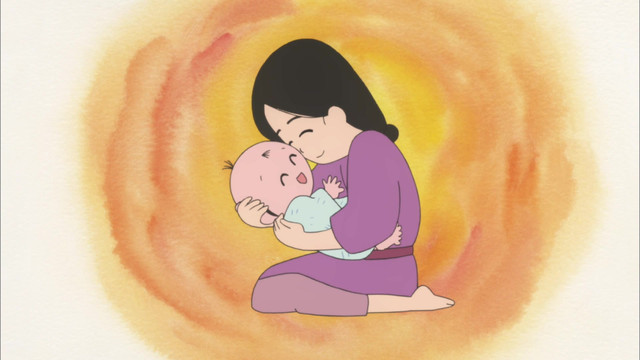
EP 17A priest investigates a kidnapping while a mother searches for her child
Jul 22, 2012This narrative explores the complex dynamics of family and truth through the lens of a missing child. A mother refuses to cease her relentless search for her offspring, driven by an unyielding maternal bond. Simultaneously, a traveling priest embarks on a journey to uncover the underlying answers regarding the situation. The story highlights the theme that deception cannot construct a genuine family unit. As the priest delves into the circumstances surrounding the abduction, he seeks to resolve the mystery. The interplay between the mother's persistence and the priest's inquiry forms the core of this episode, focusing on the emotional and factual realities of the kidnapping case.
 EP 18
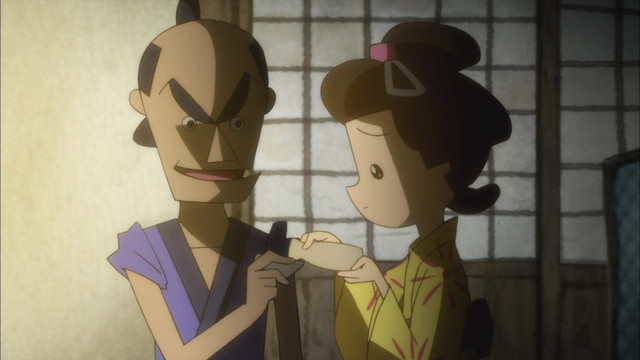
EP 18A man struggles for his wife, a haunted ditch, and the troubles of extra money
Jul 29, 2012This segment follows a man who is engaged in a conflict to protect his wife. The narrative also involves a location described as a haunted ditch. Additionally, the story explores the consequences of finding money, suggesting that acquiring more funds leads to further complications and problems. The plot weaves together these distinct elements of personal struggle, supernatural or eerie settings, and the negative impacts of financial gain.
 EP 19
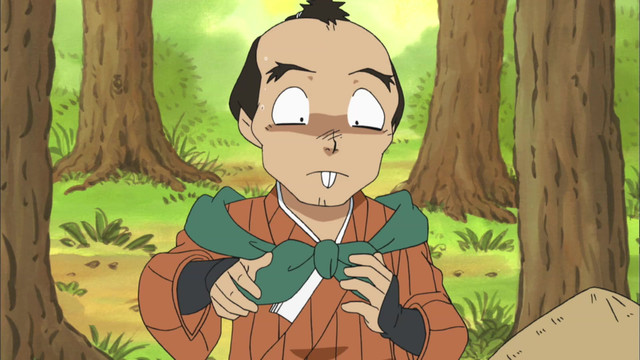
EP 19An elderly woman is abandoned, a man delivers a water god's letter, and a fake samurai finds luck.
Aug 5, 2012This episode presents three distinct narratives involving different characters and settings. In one segment, an elderly person is cast aside, highlighting themes of abandonment and societal neglect. Another story follows a man who undertakes the task of delivering a letter on behalf of a water god, emphasizing duty and spiritual connection. The final tale features a fraudulent samurai who unexpectedly experiences a stroke of good fortune, contrasting his dishonest nature with a positive outcome. These separate events are woven together to form the episode's structure, showcasing varied human experiences and moral dilemmas without direct interaction between the storylines.
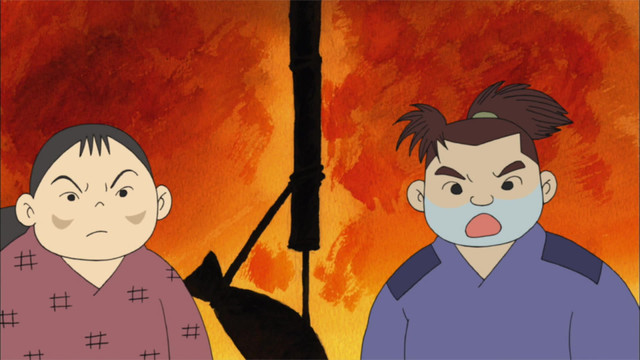 EP 20
EP 20Princess Kaguya, a demonic sister, and a worker afraid of meat buns
Aug 12, 2012This collection features three distinct stories. The first narrative follows an elderly couple who are blessed with a daughter emerging from a bamboo stalk. The second tale centers on a little boy whose sister transforms into a genuine demon. The third segment depicts a worker who experiences intense terror regarding meat buns. These separate accounts highlight various supernatural and emotional themes without connecting the characters or plots across the different segments.
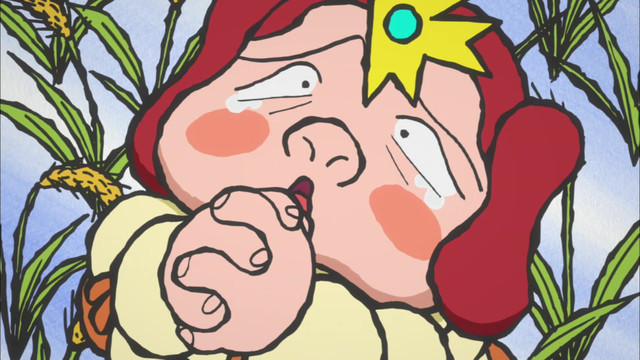 EP 21
EP 21Umisachihiko And Yamasachihiko / The Day The Kappa Came / King Enma Screws Up
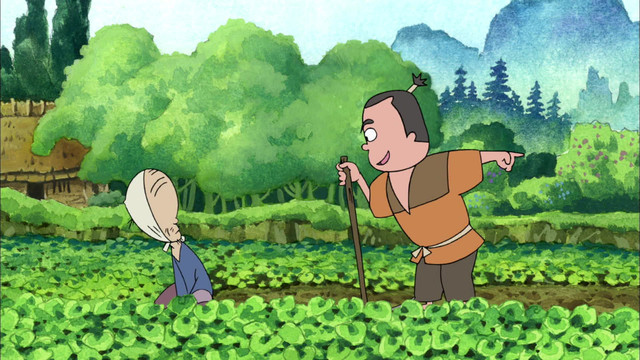 EP 22
EP 22Three Axes, The Monkey's Groom, and the Tengu and the Thief
 EP 23
EP 23The Farting Wife, The Cat and the Teapot Lid, and Chakurikakifu
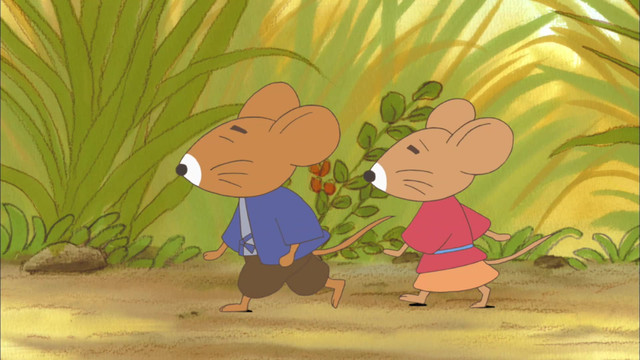 EP 24
EP 24A mouse grooms itself, a pebble letter arrives, and a silence contest takes place
Similar titles
Frequently asked questions
- How many episodes does Furusato Saisei: Nippon no Mukashi Banashi have?
- Furusato Saisei: Nippon no Mukashi Banashi has 258 episodes.
- When did Furusato Saisei: Nippon no Mukashi Banashi come out?
- Furusato Saisei: Nippon no Mukashi Banashi came out in 2012.
- Which studio made Furusato Saisei: Nippon no Mukashi Banashi?
- Furusato Saisei: Nippon no Mukashi Banashi was produced by Tomason.
- Who directed Furusato Saisei: Nippon no Mukashi Banashi?
- Furusato Saisei: Nippon no Mukashi Banashi was directed by Hiroshi Harada.
- Is Furusato Saisei: Nippon no Mukashi Banashi finished?
- Current status of Furusato Saisei: Nippon no Mukashi Banashi: Finished.